





4,98 von 5
Hervorragende Kundenbewertungen.


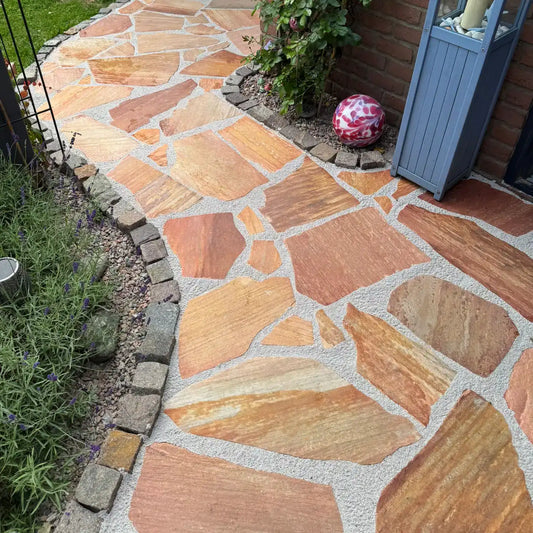
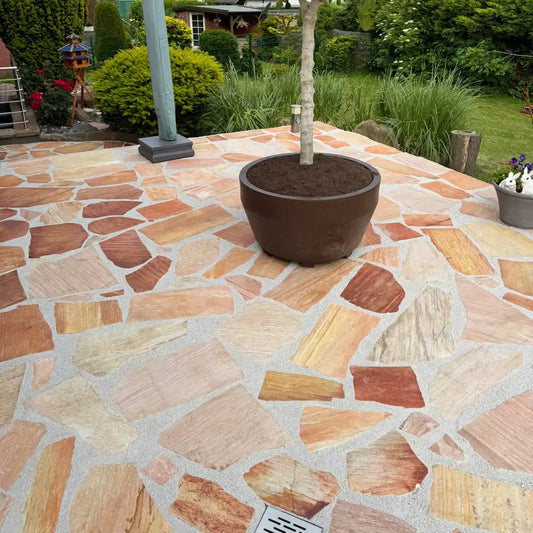
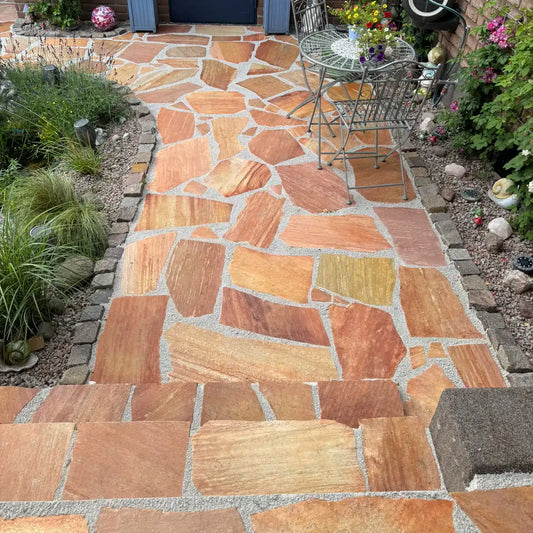
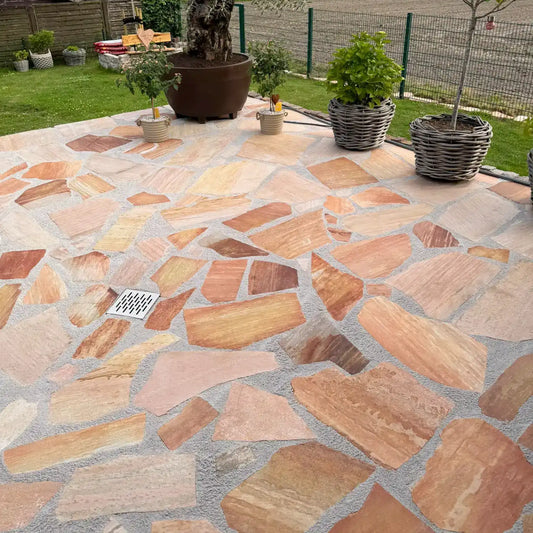
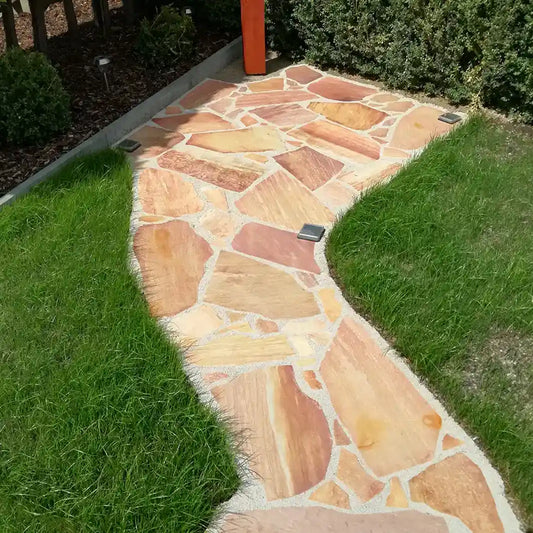
Quartzite slabs impress not only with their hardness and durability but also with their versatility in outdoor areas. Quartzite stones captivate and delight with the mica effect and their multifaceted play of colors featuring shades of anthracite, yellow, blue, brown, light and darker accents, light gray to dark gray, and even occasionally rose tones. Polygonal slabs in their various sizes and shapes bring great dynamism to the ground and create a modern yet elegant atmosphere in the driveway or on the terrace. Thanks to the high quartz content, quartzite slabs are not affected by dirt and, after impregnation, absorb almost no water. Even in winter, they remain undamaged and frost cannot harm them.
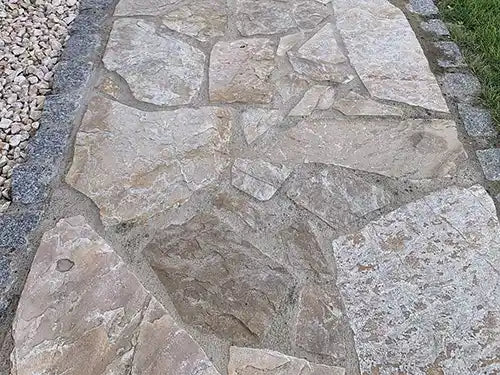
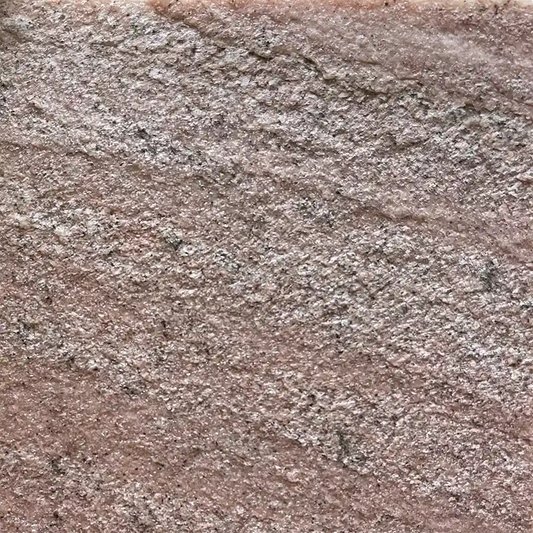
Our quartzites are irregular stone slabs made from fine, high-quality quartzite stone. They are characterized by a fine to medium grain, and the slabs are available in many colors. There are different quartzites such as Polaris, Antares, Jasmares, Auralis, Deep Sea, Kallisto, Copper, Lemuria Light, Clara and Violet, which we offer in various formats as irregular slabs. Natural stones are excellently suited to enhancing your spaces. As an alternative to outdoor use, quartzite irregular slabs can also be used as decorative irregular slabs for interior walls, the floors of wet rooms, or as paving slabs. Polygonal "natural stone tiles" are particularly flexible in their application.
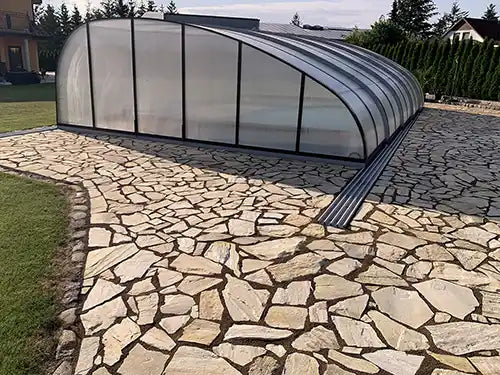
As a product of nature, our quartzite slabs are high-quality, stable, and durable materials. In addition, our quartzite slabs have high robustness, which makes them ideal as floor slabs for the terrace or garden.
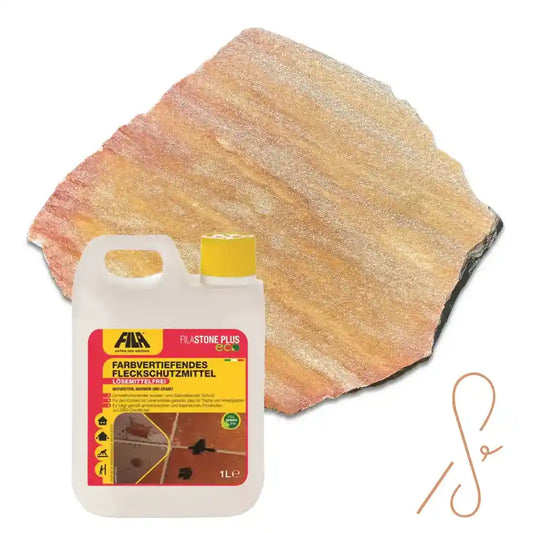
Natural stone made of quartzite is low-maintenance and, due to its hardness and durability, highly resistant to rain, sun, and frost. Strongly staining liquids from everyday use cannot harm our quartzite terrace slabs. Due to the medium grain size of the quartzite, our products are also slip-resistant – making them perfect for designing your garden.
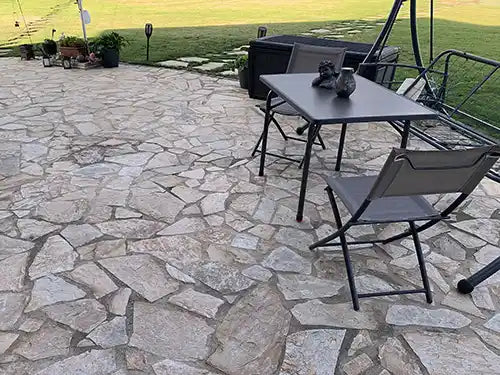
The rubble stone slabs in many shapes and sizes can be used to create a rustic and cozy atmosphere. However, they are also perfect for softening clear lines and sharp edges. The white cube with a glass front to the garden gains a distinctive character through quartzite accents in the garden – for example as terrace slabs – and the charm of the cozy half-timbered house is perfectly complemented by the warm tones and unique shapes of the natural stones. Quartzite is also excellent for indoor use. The polygonal slabs can perfectly complement designer rooms with natural stone accents, for example as natural stone wall cladding. But a countertop made of high-quality natural stone can also be extremely appealing.