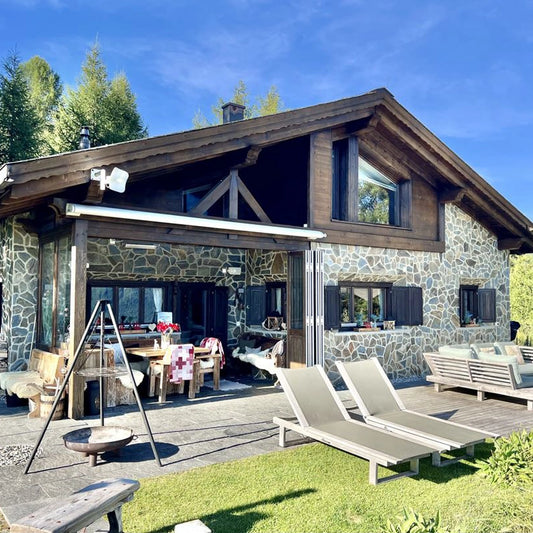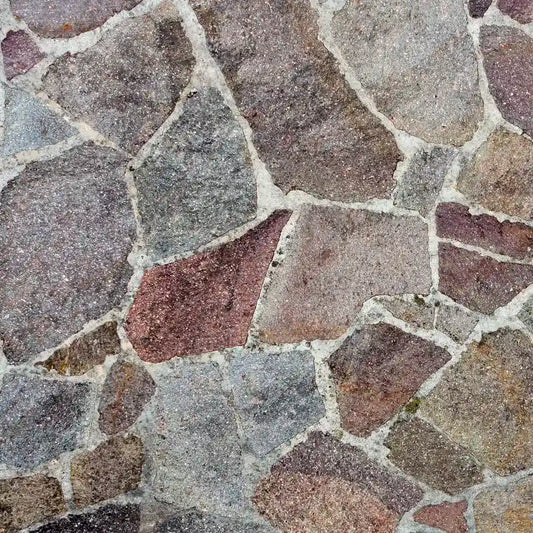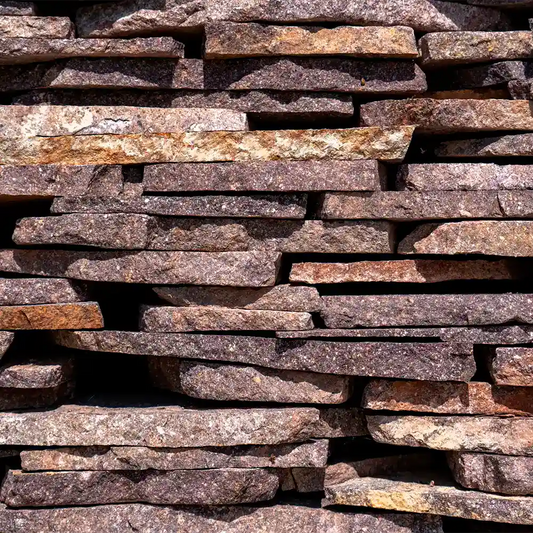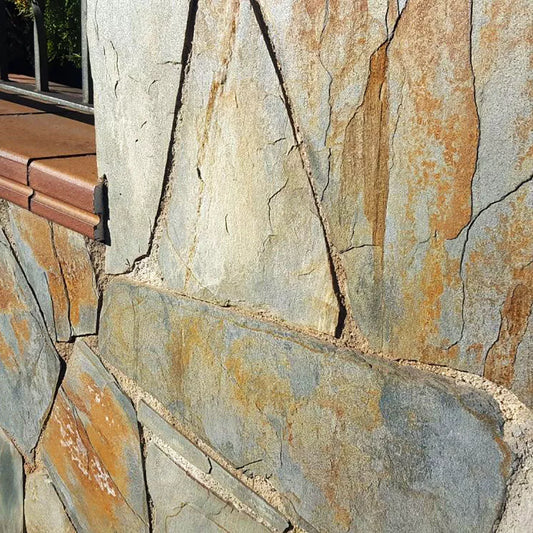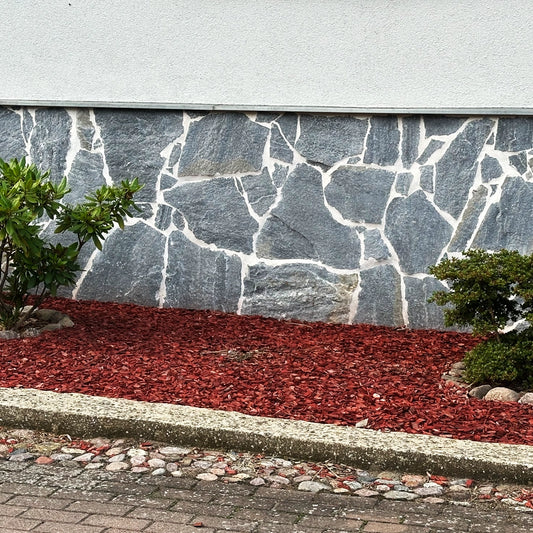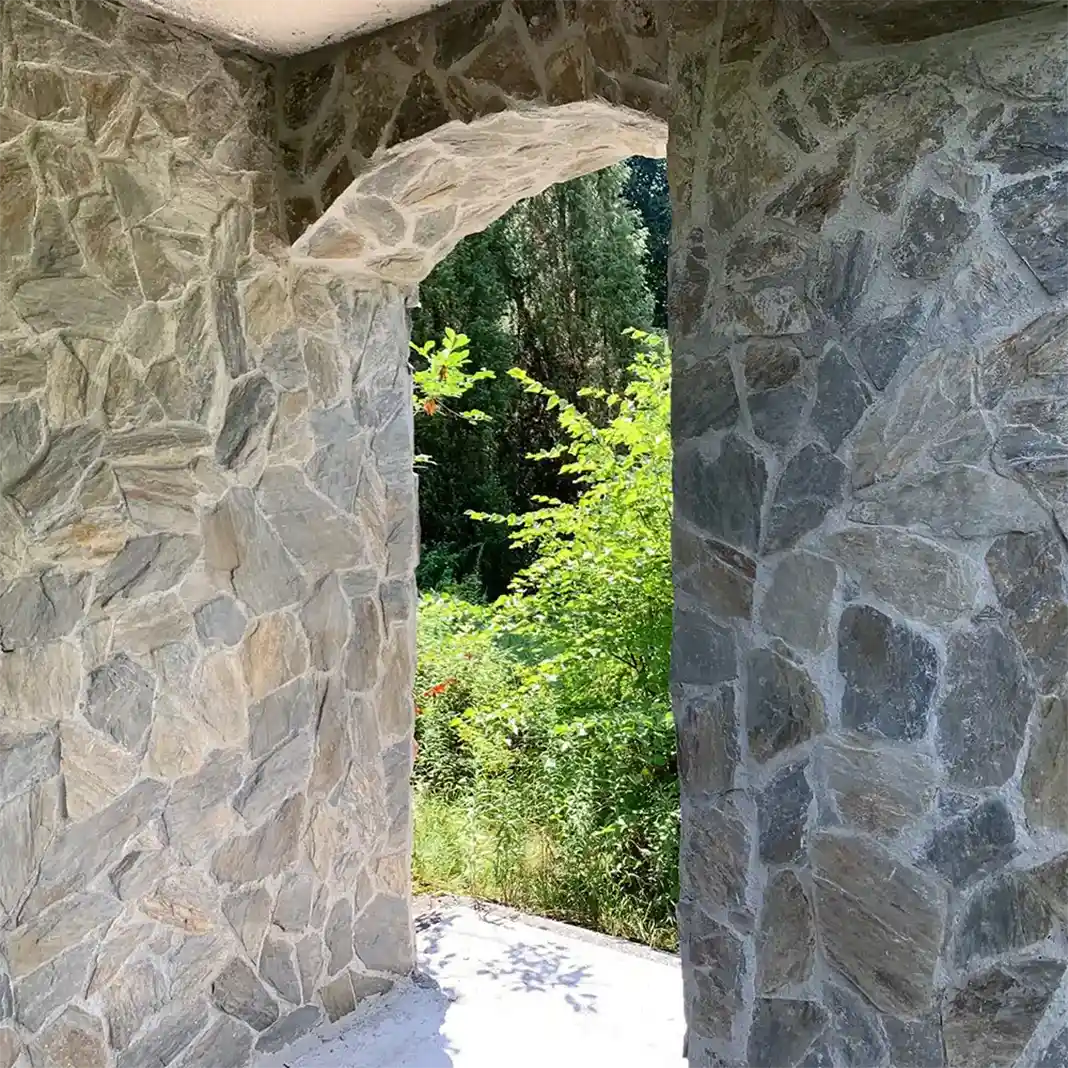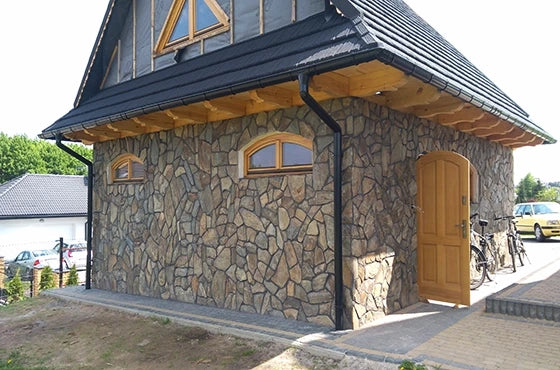
Natural stone facade cladding slips for walls, house walls, or plinths
Collection: Natural stone facade cladding
Facade cladding in a polygonal look made from natural stone veneers is a popular choice for homeowners and architects. It offers an aesthetically appealing and durable solution for enhancing building facades. Natural stone veneers are available in various types such as slate, quartzite, porphyry, and greywacke.
These veneers are ideal for cladding walls, houses, fences, and plinths. They blend harmoniously into the surroundings and provide a natural stone look. Natural stone veneers are weather-resistant and easy to maintain, making them a practical choice for outdoor use.
Installing natural stone veneers can significantly increase a property’s value. They are available in various formats, including rubble stone slabs, polygonal slabs, and strips. These veneers are environmentally friendly because they are made from natural materials and are recyclable.
Natural stone veneers offer excellent insulation and contribute to a building’s energy efficiency. They can be customized to create unique designs. The veneers are available in a range of colors and textures to meet different aesthetic requirements.
Another advantage of natural stone veneers is their resistance to mold and algae growth. They are fire-resistant and increase the safety of a building. They are also a cost-effective alternative to solid natural stone walls.
Installing natural stone veneers requires no special tools or expertise. They are a popular choice for renovation, and modern glass can be combined with them to create interesting contrasts.
Natural stone veneers are available in various price ranges to suit different budgets. They offer a timeless aesthetic that never goes out of style. Using natural stone veneers can improve a room’s acoustics and increase indoor air quality.
-
Graywacke facade stone 1-3 cm
Vendor:bruchsteinplatten.deRegular price From €415,00 EURRegular priceUnit price €83,00/m²€830,00 EURSale price From €415,00 EURSale -
Porphyry facade stone 1-3 cm
Vendor:bruchsteinplatten.deRegular price From €415,00 EURRegular priceUnit price €83,00/m²€830,00 EURSale price From €415,00 EURSale -
Natural slate Scabra facade stone 1-3 cm
Vendor:bruchsteinplatten.deRegular price From €435,00 EURRegular priceUnit price €87,00/m²€870,00 EURSale price From €435,00 EURSale -
Quartzite Deep Sea polygonal slabs
Vendor:bruchsteinplatten.deRegular price From €455,00 EURRegular priceUnit price €91,00/m²€910,00 EURSale price From €455,00 EURSale
REQUEST FOR YOUR PROJECT FOR FACADE CLADDING
Types of natural stone for façade cladding: slate, quartzite, porphyry, greywacke & more
Greywacke
Greywacke is a versatile stone available in various shades of grey. This type of natural stone is both durable and aesthetically appealing and is often used for facades, pathways, and walls. Greywacke offers a subtle yet striking look that is simple and elegant. Click here to go directly to the GREYWACKE Facing Stone in 1-3 cm thickness.
slate
Slate is particularly known for its elegant and sophisticated look. This stone has a natural layering that creates interesting textures on facades. Thanks to its dark, rich coloring, it is ideal for modern designs. Slate is also frost-resistant and withstands extreme weather conditions, making it a durable choice. Click here to go directly to our slate facade stone SCABRA in 1-3 cm thickness.
Quartzite
Quartzite is distinguished by its hardness and its shiny mica. This natural stone is extremely durable and resists scratches and impacts. Ideal for exterior facades, quartzite gives buildings a radiant and elegant appearance. Its color palette ranges from neutral to exotic tones that can create architectural highlights. Click here for the quartzite facade stone DEEP SEA in 2-3 cm thickness.
porphyry
Porphyry is known for its resistance and compressive strength. This natural stone has a coarse texture and is available in warm red and brown tones. Porphyry is perfect for rustic or traditional construction projects. It is often used in historic buildings and creates a warm, inviting atmosphere. Click here for our PORPHYRY facade stone in 1-3 cm thickness.
limestone
Limestone is another option for facade cladding. This stone is available in various shades of white and cream and offers a clean, fresh appearance. However, limestone is somewhat more susceptible to weathering than other stones, which is why it should be used in protected or less exposed areas.
sandstone
For projects aiming for a natural, earthy look, sandstone is ideal. This stone has a soft, grainy texture and is available in various shades such as beige, red, and yellow. It is easy to work with, offering great flexibility in facade design.
Basalt
Basalt is a volcanic rock distinguished by its dark, anthracite-colored surface. It is incredibly hard and durable, making it ideal for industrial or modern applications. The matte, deep tones of basalt blend seamlessly into urban designs.
travertine
Travertine is known for its unique porosity and warmer tones. It gives facades a classic old-world charm and is often used in Mediterranean designs. The open texture of travertine creates a rich, textured surface that adds character and depth.
More information about facade cladding
Advantages of natural stone veneers for facade cladding
Natural stone cladding offers a wealth of benefits that make it an ideal choice for facade cladding. Their versatility and durability are just some of the reasons why they are so popular.
Aesthetic Variety
Natural stone cladding stands for timeless beauty and elegance. Thanks to their natural textures and colors, they blend harmoniously into any architectural setting. They offer the possibility of creating any desired aesthetic, from rustic to modern. The natural variation in the stone ensures that each installation looks unique.
Durability and Resilience
Natural stone is one of the most durable materials there is. Natural stone cladding is weather-resistant and withstands external influences such as rain, wind, and UV radiation with ease. This durability ensures a long service life and makes it the ideal choice for building facades.
Energy Efficiency
One of the great advantages of natural stone cladding is its thermal insulation capability. They contribute to a building's energy efficiency by storing heat in winter and providing cooling in summer. This feature makes buildings not only more comfortable, but also helps reduce energy costs.
Low Maintenance
Although they are robust and long-lasting, natural stone cladding requires surprisingly little maintenance. Their natural resistance to dirt and algae means they need little cleaning. With proper installation and occasional care, they retain their appearance for years.
Acoustic Benefits
Natural stone cladding can also positively influence a building's acoustics. Thanks to their density and the texture of the stone, they can absorb sound and thus reduce noise levels inside and outside the house. This is particularly beneficial in densely populated or noisy urban environments.
Safety and Environmental Friendliness
Natural stone cladding is naturally fire-resistant and contributes to a home's safety. In addition, they are environmentally friendly because they are made from natural materials and contain no harmful chemicals. This makes them a sustainable choice for environmentally conscious builders.
Adaptability
These cladding elements are extremely adaptable and can be used in a wide variety of designs. They can not only be combined with other materials, but also laid in a range of patterns. This flexibility makes it possible to realize both traditional and modern designs.
Added Value
Installing natural stone cladding can significantly increase the value of a property. Their attractive and durable finish makes them a desirable addition for buyers and investors. They offer an impressive way to enhance a building visually and functionally, leading to greater market appeal.
Natural stone cladding combines utility and aesthetics in a way that hardly any other material can match. Their many benefits make them an excellent choice for anyone looking for a durable, beautiful, and functional facade cladding.
Optics and design: colours, formats, finishes and laying patterns
Natural stone cladding offers a wide range of design possibilities. From different colors and formats to unique surface textures — the variety is virtually endless.
Variety of colors
The colors of natural stone cladding range from soft earthy tones to strong reds and greens. This palette makes it possible to suit any architectural vision. Each natural stone has its own unique color composition, shaped by its natural formation. The result is harmonious, authentic designs that blend perfectly into their surroundings and offer a natural aesthetic.
Formats and sizes
Natural stone cladding is available in a wide variety of formats. From small strips, ideal for subtle accents, to large-format slabs that create an impressive look. Different formats make it possible to design both large facades and detailed wall coverings. This variety allows designers and architects to realize projects individually and creatively.
Surface texture
The surface of natural stone can be polished, honed, split, or left in its natural state. Each surface gives the stone a different look and feel. A polished surface offers an elegant, smooth appearance, while a split texture creates a rougher, more rustic look. These options allow homeowners to influence the mood of a room or building in a targeted way.
Installation patterns
Different installation patterns such as fish scale, herringbone, or random bond patterns offer additional design freedom. These patterns can be selected depending on personal preferences and the desired effect. A random bond creates a scattered, natural arrangement that looks especially lively, while a herringbone pattern adds structure and geometry.
Integration of contrasts
Natural stone cladding can be excellently combined with other materials to create visual contrasts. Combining it with glass, metal, or wood can create interesting, modern accents. These combinations help produce a distinctive look that can feel both traditional and contemporary.
Custom adaptations
A key advantage of using natural stone cladding is the option for custom adaptations. Special color and format adjustments make it possible to create exclusive designs that meet specific requirements. This flexibility makes natural stone cladding especially attractive for architects and designers looking for tailor-made solutions.
The design possibilities of natural stone cladding are virtually limitless. From color selection to surfaces and installation patterns — every element can be coordinated to create a harmonious overall look. This turns every room or facade into a unique work of art with natural beauty and timeless elegance.
Areas of use: wall, house, masonry, base and more
Natural stone cladding offers a wide range of applications that can enhance every area of a building. Whether it is a complete façade or specific decorative details, natural stone can make a significant difference.
Wall cladding
Natural stone cladding is ideal for interior and exterior walls. It gives rooms depth and texture. Indoors, it creates accent walls that draw the eye. Outdoors, it is resistant to the elements and offers an attractive, long-lasting option. Natural stone walls can be combined excellently with other materials such as wood or glass to achieve contrasting designs.
House façades
The façade of a house is the first thing visitors see, and natural stone can leave a lasting impression here. With the variety of colors and textures that natural stone offers, homeowners can express their personal style. Natural stone façades are not only aesthetically appealing, but also functional, as they provide insulation and can reduce energy consumption.
Walls
Walls made of natural stone cladding are not only robust, but also an impressive eye-catcher. They are ideal for building garden walls or retaining walls. Thanks to their structural integrity and natural appearance, they offer security without losing their aesthetic appeal. In combination with other landscape elements, they can contribute to a harmonious overall look outdoors.
Plinth cladding
Plinths are often the forgotten areas of a building, yet they can be effectively highlighted with natural stone cladding. Using natural stone not only makes the plinth more resistant to moisture and dirt, but also improves its visual appeal. Choosing durable natural stone varieties such as porphyry or greywacke is particularly sensible here.
Decorative accents
Beyond large surface areas, natural stone cladding can also be used to create decorative accents. For example, arches, fireplace surrounds, or door frames can be enhanced. These details can make all the difference and give a room or building a luxurious, individual feel.
Special projects
Outside traditional areas of use, natural stone cladding also offers solutions for special projects such as sculptures, fountains, or other artistic installations. Its adaptability makes it ideal for creative designs. Whether small or large, natural stone can add unique character and turn even the most demanding architectural visions into reality.
Thanks to the wide range of applications for natural stone cladding, it is possible to tailor every project individually. Whether functional or aesthetic, natural stone offers both everyday practicality and timeless elegance.
Naturstone cladding for outdoor use: Weather resistance, care and durability
Natural stone veneers are especially well suited for outdoor use, as they offer excellent weather resistance. Extreme temperatures, rain, or sunlight cannot damage their structure. This durability is a decisive advantage over other materials that may become more vulnerable over time.
Weather resistance in detail
The natural composition of natural stone ensures that it is insensitive to changing weather conditions. Stones such as quartzite and slate are known for their high density and resistance to moisture and frost. These properties help natural stone veneers remain stable outdoors for decades and retain their attractive appearance. They do not lose either color or texture due to UV rays, which reduces maintenance costs.
Easy-care surfaces
Despite their robustness, natural stone veneers are relatively easy to care for. Common dirt from rain or wind can be easily rinsed off with water. For more stubborn dirt, a brush with soft bristles is usually enough. Unlike artificial materials, natural stone has a low risk of scratches, helping it maintain its like-new appearance for a long time. A sealant can further reduce maintenance effort, although this is not absolutely necessary for many types of stone.
Durable and sustainable
The longevity of natural stone veneers is a standout feature that sets them apart from other facade claddings. Using natural stone is an investment in a building's future. This investment often pays off through low maintenance requirements and the lasting appeal of the facade. In addition, natural stone veneers are an environmentally friendly choice, as they consist of natural and renewable resources that remain available for many years.
Protection against biological influences
Another advantage of natural stone veneers in outdoor areas is their resistance to mold and algae. The dense structure of the material offers no breeding ground for microorganisms, keeping the facade free from unattractive discoloration. This contributes not only to the visual but also to the structural preservation of the building. Preventing mold growth also improves air quality near the facade.
Different types of stone and their properties
Choosing the right type of stone for exterior veneers can further increase the durability and resilience of the cladding. Grauwacke, for example, is particularly resistant to mechanical stress, while porphyry, with its range of colors, is an aesthetic highlight. Each type of stone brings its own specific advantages, making it a suitable choice for certain regional climate and environmental conditions.
Conclusion: Timeless beauty and functionality
In summary, natural stone veneers are an excellent choice for outdoor areas for anyone looking for a low-maintenance, durable, and attractive facade cladding. Their natural properties make them ideal for both new builds and renovations. With minimal maintenance, the facade remains an eye-catcher for decades while also providing the best possible protection for the building against weather and biological influences.
Conclusion: Why natural stone cladding is the ideal choice for your facade cladding
Costs, price factors and cost-effectiveness
The pricing of natural stone veneer
The cost of natural stone veneer varies depending on the type of stone and the desired finish. Slate and limestone are often more affordable, while more exotic options such as porphyry and quartzite can be more expensive. When calculating the total cost, it should also be taken into account that preparing and finishing the substrate also factor into the cost structure.
Price factors to consider
Several factors influence the final price of natural stone veneer. In addition to the type of stone, the thickness and dimensions of the panels are crucial. Larger and thicker panels are often more costly. Surface treatment and special finishes also play a role. Elaborately polished or sealed stones are generally more expensive than their untreated counterparts.
The long-term cost-effectiveness of natural stone veneer
Although the initial cost of natural stone veneer may seem high, it offers a cost-effective solution in the long run. Its durability and low maintenance make it economical. Compared with alternative materials such as wood or render, which require frequent renewal and upkeep, natural stone veneer pays for itself over the years.
Savings potential through proper planning
Careful planning can help avoid unnecessary costs. Precisely calculating requirements minimizes material waste. In addition, support from professionals during the planning phase can prevent mistakes that might later lead to costly repairs. Investing in qualified advice or assessment is often a worthwhile extra investment.
The value-enhancement effect
Natural stone veneer contributes significantly to increasing a property's value. Its natural aesthetics and durability are attractive features for buyers. These factors can lead to price increases when the property is later sold or valued. Natural stone veneer is therefore not just a decorative choice, but also a sound investment in a property's future.
Natural stone veneer compared with other facade materials
Comparison with wood cladding
Wood cladding is considered warm and attractive, but it has weaknesses when exposed to the weather. Unlike natural stone veneer, which is fire-resistant and resistant to insects, wood requires regular treatment. Natural stone also offers a wider range of textures and colors, while wood is limited to a few types.
Render and its limitations
Render is a common cladding material, but it does not always hold up well over the long term. The material can be prone to cracking and requires regular painting and repairs. By contrast, natural stone veneer retains its integrity even after decades. It also offers better insulation and increases a building's energy efficiency.
Brick in comparison
Brick is robust and offers a traditional look, but it cannot always stand up to severe weather exposure. Natural stone veneer, especially those made from quartzite or slate, outperform brick in terms of frost and water resistance. Their lower maintenance requirements make them a beneficial choice for modern, long-lasting construction projects.
Pros and cons of metal cladding
Metal cladding is lightweight and often more affordable, but this comes at the expense of aesthetics and environmental friendliness. In comparison, natural stone veneer offers natural beauty and is recyclable. Metals can quickly become prone to corrosion, while natural stone retains its solid structure and requires minimal maintenance.
Plastic and its challenges
Plastic cladding is inexpensive and easy to install, but it tends to fade and can become brittle over time. It does not offer the same quality or durability as natural stone. Natural stone veneer provides a timeless aesthetic and, thanks to its eco-friendly properties, also contributes to the sustainability of a construction project.
Conclusion: Why polygonal natural stone for facade cladding
Natural stone veneer offers an unmatched combination of aesthetics, durability and functionality. With their natural beauty and the wide range of available colors and textures, they fit perfectly with any architectural style. Their ability to complement both traditional and modern designs makes them a versatile material with no stylistic limits. They also add a warmth and authenticity that artificial alternatives often lack.
In addition to the appearance, there are practical advantages to using natural stone veneer. It is not only resistant to environmental influences, but also offers excellent energy efficiency. Its insulating properties contribute to thermal insulation and sound insulation in buildings, which saves energy costs in the long term. This functionality, combined with low maintenance, makes natural stone veneer a value-adding investment for your home or any construction project.
In summary, natural stone veneer is a sustainable and environmentally friendly choice. It is made from natural materials that are not only resource-efficient but also recyclable. Whether for the facade, the plinth, or interior accents, their many applications and the opportunity for creative design make them a smart choice for architects, builders, and homeowners who value quality and design. Natural stone veneer combines beauty with functionality and helps create spaces that last.
bruchsteinplatten.de
Graywacke facade stone 1-3 cm
Share

AND THIS IS HOW YOU CAN REACH US PERSONALLY
Support and advice from Monday - Friday from 8 am - 4 pm
Phone: +49 (0) 3332 26 70 78 27
or by email at: verkauf@bruchsteinplatten.de